4 Ways Rural Areas Boost EV Access
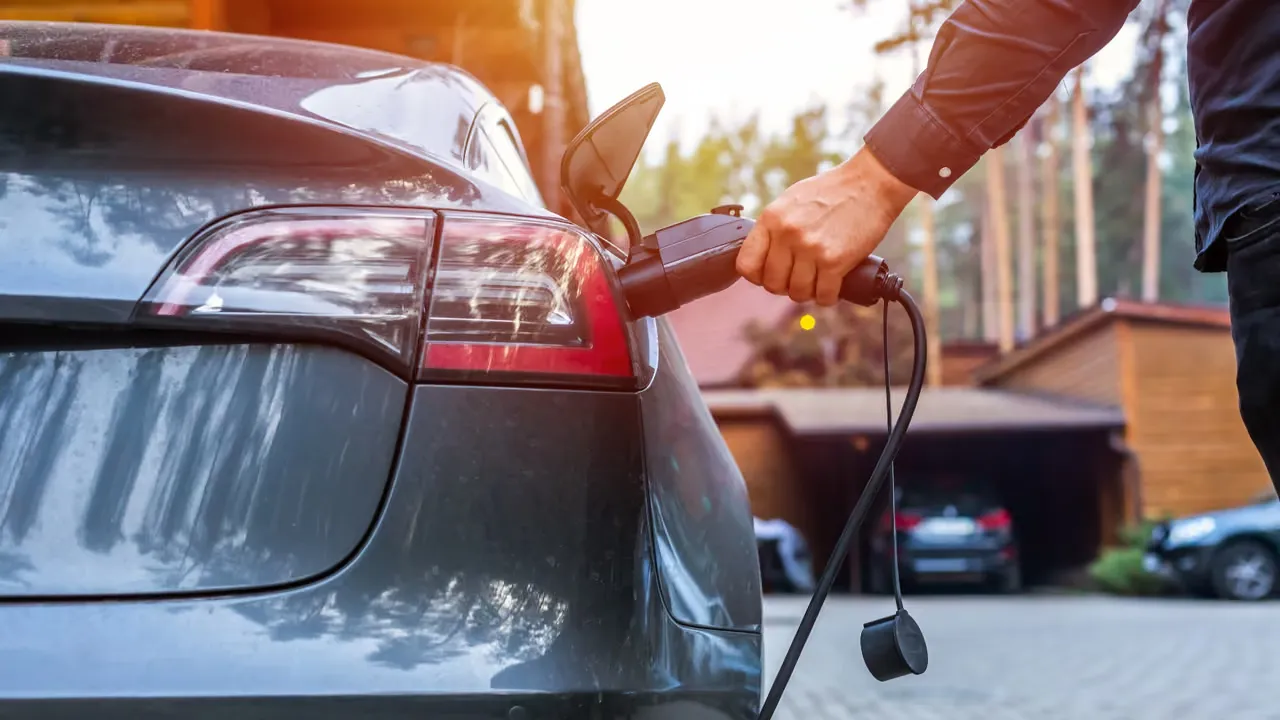
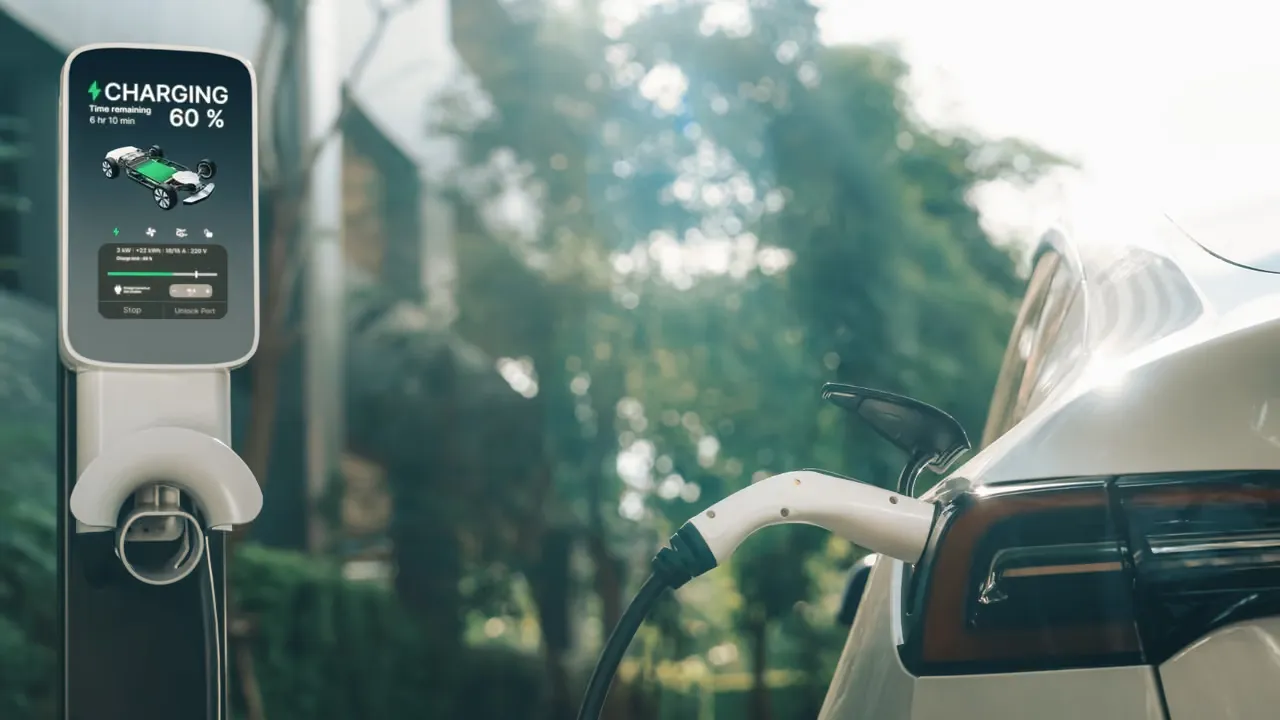
What happens when the electric vehicle revolution bypasses the open roads and small towns that make up much of rural America? While cities boast growing networks of EV chargers, rural and underserved areas lag behind, creating a barrier that threatens to stall adoption where it could make a significant difference.
Current challenges of EV charging in rural communities
Rural communities face a unique set of hurdles when it comes to electric vehicle infrastructure. For one, lower population density means fewer customers per charging station, making investments less attractive to private companies. The distances between towns can be vast, and the lack of fast chargers along key routes creates “range anxiety” for potential EV buyers who worry about being stranded without power.
Adding to the problem is the outdated electrical grid in many rural areas. Older infrastructure may not support the high power demand of fast chargers without costly upgrades. This technical limitation often deters station deployment or leads to slower, less convenient charging options.
Finally, awareness and education about EV benefits and charging options remain limited. Without visible charging stations and local champions, rural drivers might not consider EVs a viable choice at all.
Innovative solutions bridging the charging gap
Despite these challenges, innovation is cropping up to close the rural charging divide. One promising approach involves solar-powered charging hubs that combine renewable energy with battery storage, reducing the need for expensive grid upgrades. These hubs can be placed at community centers, local businesses, or rest stops, providing reliable energy without overburdening existing infrastructure.
Mobile charging services are another creative solution gaining traction. Companies are experimenting with vans equipped with high-capacity batteries that can deliver emergency top-ups or even regular charging sessions in remote locations. This approach sidesteps the need for fixed infrastructure while improving confidence in EV usability.
Some rural areas are also leveraging public-private partnerships to co-fund chargers. By pooling resources, local governments and utilities can share the financial risk with charging companies, bringing stations to places that would otherwise be overlooked.
Community-driven charging initiatives
- Cooperative ownership: Rural residents band together to install and operate charging stations, keeping costs down and profits local.
- Integration with agriculture: Farms equipped with EV chargers can attract visitors or provide new revenue streams, linking green transportation with sustainable farming.
- Leveraging existing infrastructure: Utilizing post offices, libraries, and rural health centers as charging points takes advantage of trusted community hubs already connected to power.
Role of policy and incentives in expanding rural charging
Government intervention is crucial to overcoming the economic and infrastructural barriers in rural EV charging. Federal and state incentives can tip the scales by offsetting installation costs, offering tax credits, or providing grants targeted specifically at underserved areas.
Policies that require or encourage utilities to support EV infrastructure expansion help ensure that rural areas are not left behind as the grid modernizes. For example, some states mandate minimum numbers of chargers per county or provide funding for grid upgrades linked to EV projects.
Moreover, streamlined permitting processes and technical assistance programs reduce the administrative burden on small communities eager to participate.
Examples of impactful policy measures
- Rural EV charging grants: Dedicated funding pools aimed at projects in low-density or low-income areas.
- Utility rate structures: Favorable electricity rates for charging stations during off-peak hours to lower operational costs.
- Partnership incentives: Encouragement for collaboration between private companies and local governments to share costs and benefits.
Potential social and economic impacts of improved rural EV infrastructure
Expanding EV charging access in rural areas is about more than just convenience. It can catalyze economic development by attracting tourism, supporting local businesses, and creating green jobs. Imagine a rural town becoming a favored stop for EV drivers exploring scenic routes—charging stations become magnets for visitors who spend money at nearby shops and restaurants.
Socially, better charging infrastructure promotes equity. Rural residents often face higher transportation costs due to longer travel distances and fewer transit options. Access to EVs powered by clean energy can reduce fuel expenses and pollution exposure, improving health outcomes and quality of life.
Additionally, rural EV infrastructure development encourages technological literacy and community engagement. Training programs and cooperative projects empower residents to take part in the clean energy transition rather than being passive observers.
Ultimately, bridging the rural EV charging gap reshapes how communities connect with the broader shift toward sustainability. It’s a necessary step to ensure that the electric vehicle movement truly drives forward for everyone, not just those in the city.