Can Public Chargers Be Truly Eco Friendly
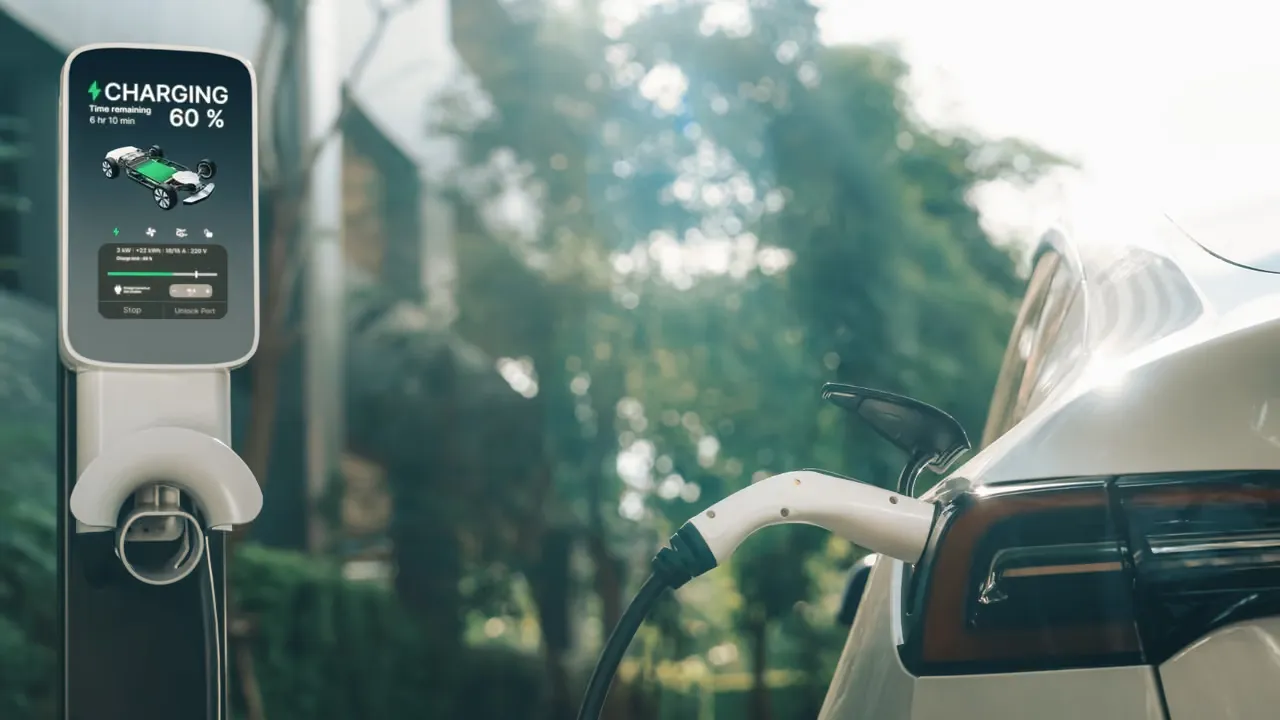
Electric vehicles have become a symbol of the green future we’re all supposed to be driving toward. But while there’s plenty of talk about how EVs cut tailpipe emissions, the environmental impact of charging these vehicles often flies under the radar. Charging an EV isn’t just about plugging in—it’s about where the electricity comes from, how it’s delivered, and how we use it. These factors can tip the scales between genuinely reducing carbon footprints and simply shifting emissions around.
Comparing carbon footprints of home versus public EV charging
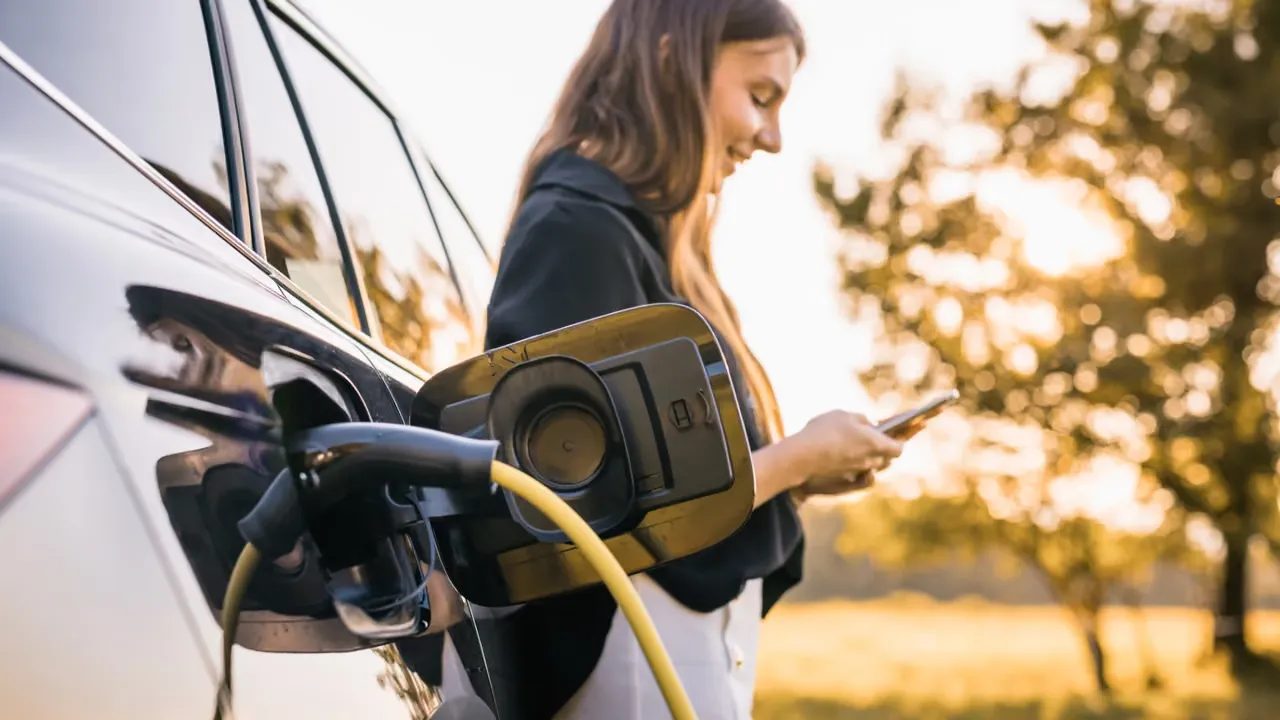
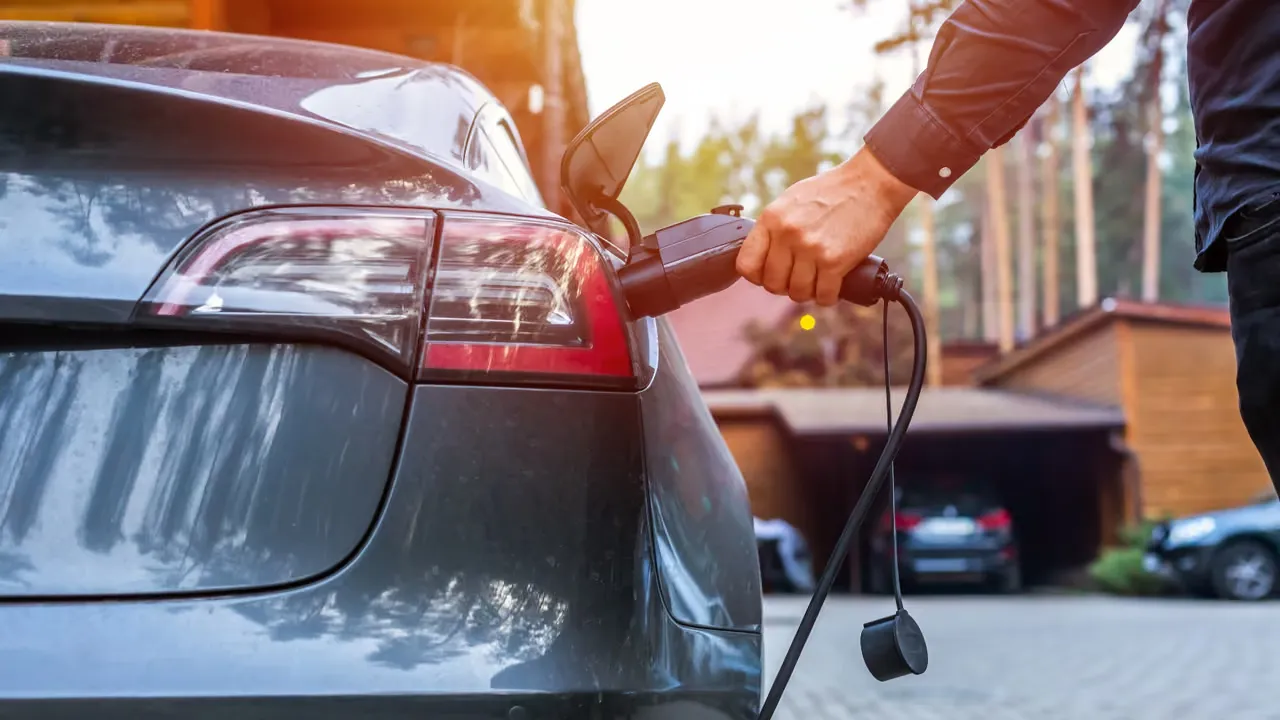
Charging at home might feel like the most straightforward option. You pull in your car, plug it into your personal charger, and let it juice up overnight. But the environmental impact here depends heavily on your local grid’s energy mix. If you live in a region powered largely by coal or natural gas, your home charging could unintentionally be tied to significant carbon emissions.
Public charging stations, especially fast chargers along highways, often draw from different parts of the grid or even have dedicated energy sources. Some public chargers are connected to grids with higher renewable penetration or even paired with on-site solar panels. However, fast charging tends to be less energy-efficient due to heat loss and the need for rapid power delivery, which can increase the overall emissions per kWh delivered.
Interestingly, while home charging usually involves slower rates and can be timed to off-peak hours, public charging often happens during peak demand times when the grid’s carbon intensity spikes. This means that charging at home during low-demand hours can sometimes result in a lower carbon footprint than grabbing a quick charge at a busy station.
The role of renewable energy integration in EV charging stations
Renewables are the holy grail of clean EV charging. Integrating solar, wind, or other clean energy sources directly into charging stations can drastically cut emissions. Some public charging networks are already installing solar canopies or partnering with renewable energy providers to power stations. This approach doesn’t just reduce emissions; it also buffers the grid by generating power onsite.
Battery storage systems paired with renewables at charging stations can store excess clean energy, making it available when the sun isn’t shining or the wind isn’t blowing. This helps smooth out the variability of renewable sources and ensures that EVs get a cleaner charge consistently.
At home, installing rooftop solar panels and pairing them with home chargers is becoming increasingly popular. This setup allows EV owners to directly use the sun’s energy, further cutting reliance on fossil fuel-based grid power. However, solar production peaks during the day, while most people charge overnight, which brings us to how charging behavior plays into this puzzle.
How charging behavior influences environmental benefits
The timing and pattern of charging have a massive impact on the overall environmental footprint of EV use. Charging during periods when the grid relies heavily on fossil fuels negates much of the benefit of driving electric. Conversely, charging during low-demand times or when renewables dominate the grid mix reduces emissions.
Smart chargers and apps that optimize charging times based on grid carbon intensity are gaining traction. For example, an EV might delay charging until wind power ramps up overnight or until a local solar farm generates excess electricity in the afternoon. This not only trims emissions but can also lower costs for drivers.
Fast charging is a convenience that comes with a trade-off. It can strain the grid and often occurs during peak hours, when coal or gas plants are firing up to meet demand. Drivers who habitually rely on rapid public chargers may inadvertently increase their carbon footprint compared to those who top up slowly at home during greener times.
Future innovations aiming to make EV charging greener
The future of EV charging is about much more than faster plugs. It’s about transforming the entire ecosystem into a smarter, cleaner, and more integrated system. Vehicle-to-grid (V2G) technology is one promising development. It allows EVs not just to draw power but to send electricity back to the grid during peak demand, effectively turning cars into mobile energy storage units.
Wireless charging is also on the horizon, promising convenience without cords. While still in early phases, if powered by renewables, it could enable seamless, low-impact charging—imagine a city where EVs charge automatically while parked or even driving over specially equipped roads.
Advanced algorithms and AI-driven energy management systems will further optimize when and how EVs charge, balancing user needs, grid demands, and renewable availability. This integration could transform EVs into key players in a decentralized, low-carbon energy system rather than just consumers.
Finally, policy and infrastructure investments will be critical. Expanding renewable energy capacity, incentivizing off-peak charging, and upgrading grids to handle distributed energy resources all play roles in shrinking the carbon footprint of EV charging.