Can Your Job Site Fuel Your Electric Car
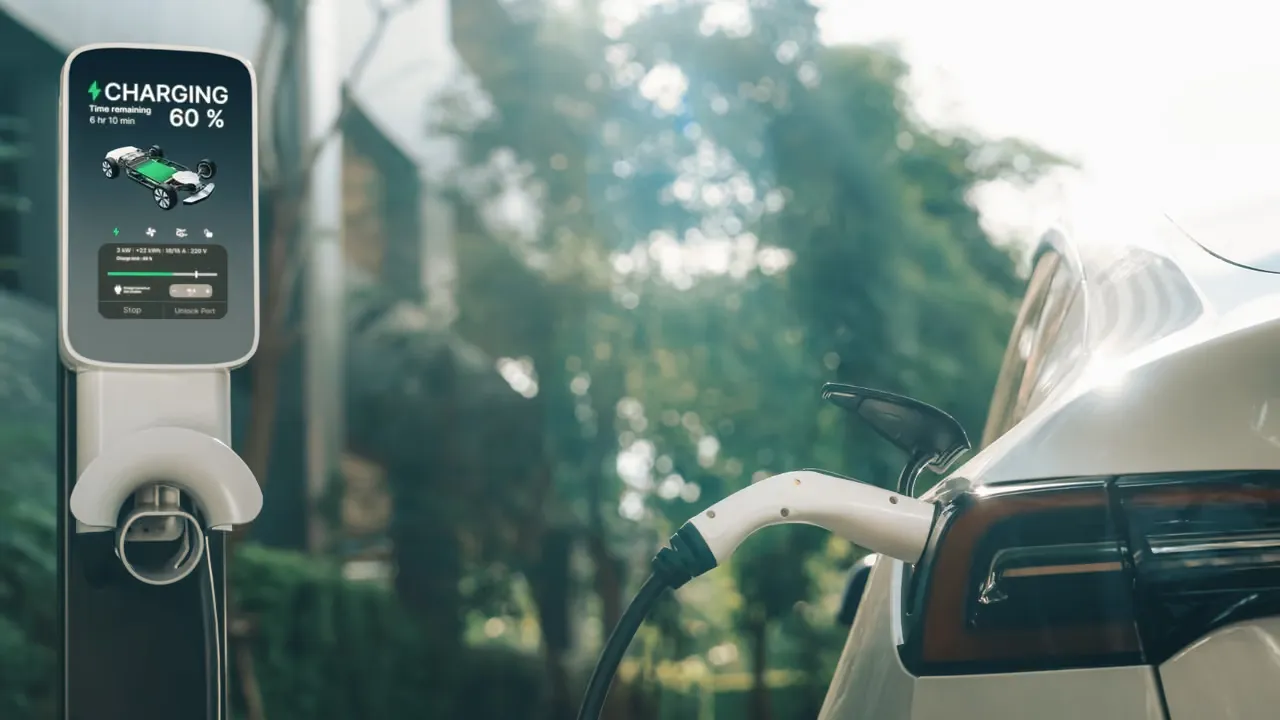
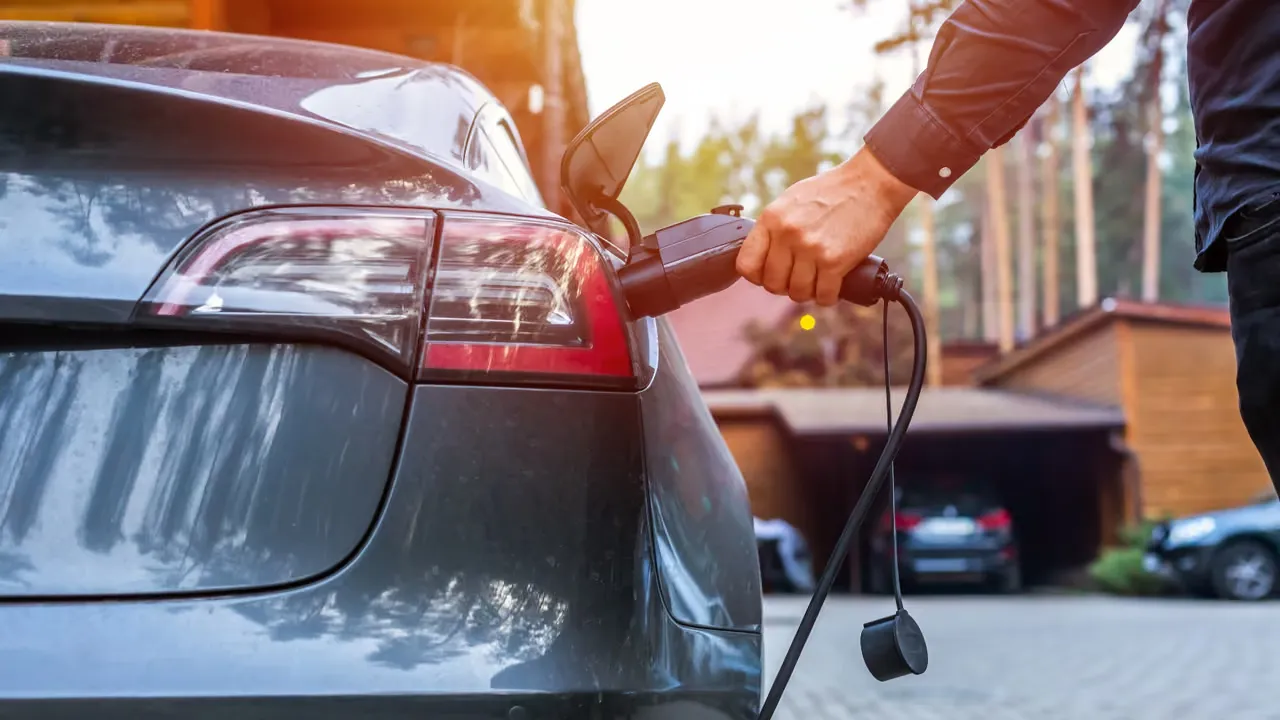
What if your daily commute could charge your electric vehicle as efficiently as your home charger, without you lifting a finger? Workplace EV charging stations are becoming a quiet powerhouse in encouraging more drivers to switch to electric, but how significant is their role really?
Current State of Workplace EV Charging Infrastructure
Workplace EV charging has been gaining momentum, yet it remains a patchwork across industries and regions. According to recent surveys, less than 25% of employers in the U.S. currently offer EV charging facilities. Larger corporations and tech hubs tend to be early adopters, equipping their campuses with multiple charging points, while smaller companies lag behind.
This uneven rollout reflects several factors: the upfront costs of installation, available parking space, and uncertainty about employee demand. In Europe, workplace charging sees broader adoption, especially in countries pushing aggressive EV targets, but even there, the infrastructure is far from universal.
Still, the trend is clear—workplaces are starting to view EV chargers as more than just a perk; they’re becoming a strategic asset to attract and retain talent while supporting sustainability goals.
Benefits of Installing EV Chargers at Workplaces
For employees, a workplace charger can be a game changer. It means they can top up their vehicle during the day, which extends the practical range of their EVs and reduces “range anxiety.” This convenience can tip the scales for someone on the fence about going electric.
- Financial Savings: Charging at work is often cheaper than public fast chargers, and some employers subsidize electricity costs, reducing overall transportation expenses for staff.
- Time Efficiency: Employees don’t need to carve out extra time for charging stops since it happens during work hours.
- Environmental Impact: Employers can demonstrate commitment to sustainability, which lifts company image and aligns with growing employee values around green initiatives.
- Recruitment and Retention: In competitive job markets, providing EV charging signals forward-thinking and care for employee needs, giving companies an edge.
Employers themselves gain long-term advantages. Installing chargers can contribute to corporate social responsibility goals and prepare businesses for regulatory shifts that encourage or mandate green energy usage. Moreover, as electric fleets become commonplace, workplace chargers serve operational needs beyond just employee vehicles.
Challenges and Considerations for Employers
Despite the benefits, many employers hesitate to jump in. The initial installation cost can be substantial, especially if significant electrical upgrades are needed. This financial burden is often the biggest hurdle for small and medium-sized enterprises.
Beyond costs, there’s the matter of managing the stations. Questions arise: Who gets access first? How do you bill employees or allocate usage fairly? What happens if demand exceeds supply? Without clear policies, these issues can create friction.
Physical constraints also matter. Older buildings or shared parking lots might lack the infrastructure or permissions to install chargers easily. Plus, varying employee schedules and commuting patterns complicate the optimization of charging station numbers and locations.
Then there’s the pace of technology. Fast chargers are expensive but desirable; slower Level 2 chargers cost less but may not satisfy everyone’s needs. Employers must strike a balance that fits their budget and workforce.
Strategies to Overcome These Challenges
- Start Small: Pilot programs with a few charging points can gauge interest and usage without excessive upfront investment.
- Partner with Providers: Collaborating with EV charging companies that offer installation, maintenance, and billing solutions reduces complexity.
- Incentivize Usage: Offering subsidies or priority parking for EV drivers encourages adoption.
- Leverage Grants and Incentives: Many governments provide financial support for workplace charging infrastructure, easing cost burdens.
Future Trends in Workplace EV Charging Solutions
The workplace EV charging landscape is evolving rapidly. One emerging trend is the integration of smart charging systems that optimize electricity use based on grid demand and energy costs. This not only cuts expenses but also reduces strain on local power networks.
Another development is the rise of wireless and ultra-fast charging technologies, which could make workplace charging even more seamless and efficient. Imagine pulling into a parking spot without plugging in a cable, with your car fully charged by the time you leave.
Shared charging networks are also gaining traction, allowing employees from nearby businesses or public users to access chargers, maximizing utilization and spreading costs.
Lastly, as electric vehicle adoption accelerates, workplace charging might become a standard expectation rather than a bonus. Companies that invest early stand to benefit from a more satisfied, eco-conscious workforce and a head start in sustainability compliance.