Charging Stations Reshape City Streets
How are electric cars reshaping the very fabric of our cities?
Redesigning City Streets for Electric Vehicles and Charging Stations
The rise of electric vehicles (EVs) is prompting a fundamental rethink of urban street design. Traditional streets, long dominated by gasoline-powered cars, are now adapting to a future where EVs need consistent, accessible charging options. This shift means more than just installing charging points—it’s about reimagining the street as a multi-functional space that accommodates new technologies and changing mobility patterns.
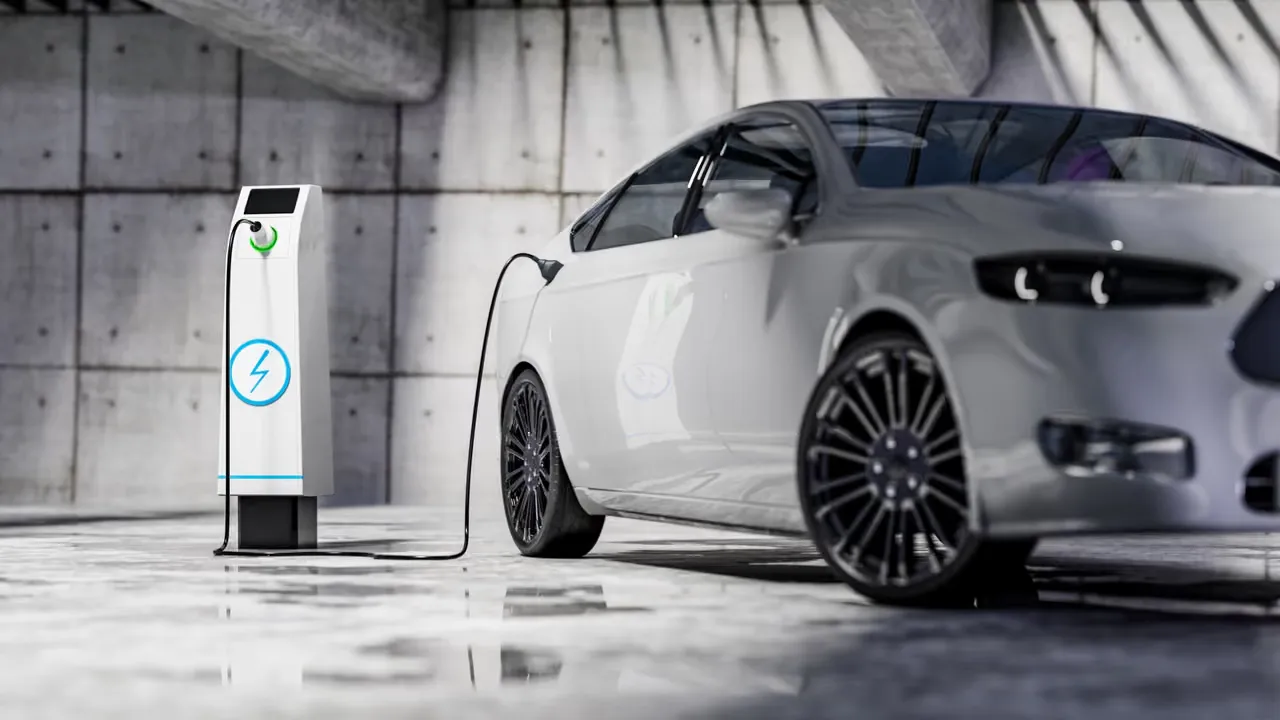
Municipal planners are increasingly dedicating curbside areas specifically for EV charging, sometimes replacing parking spaces reserved for combustion engine vehicles. This transformation often involves integrating fast chargers and wireless charging pads directly into the pavement. The goal is to reduce range anxiety and make charging as convenient as fueling up used to be.
Some cities are experimenting with curbside management systems that prioritize EVs and car-sharing fleets, reducing overall vehicle congestion. Streetscapes are also being enhanced with digital signage and smart sensors to monitor charger availability and guide drivers in real-time. It’s a dynamic approach that blends infrastructure with data to keep urban mobility flowing smoothly.
Integrating EVs with Public Transit Systems
Electric cars aren’t just personal vehicles; they’re becoming integral to broader public transit networks. Cities are piloting programs where EVs operate as first-mile and last-mile connectors, bridging the gap between transit hubs and final destinations. This integration helps reduce reliance on traditional car ownership and encourages more sustainable travel habits.
Electric car-sharing services, often supported by municipal governments, are strategically placed near bus stops and train stations. Their quiet operation and zero tailpipe emissions make them ideal complements to public transit, especially in dense urban cores where minimizing pollution and noise is critical.
Moreover, transit agencies are beginning to electrify their own fleets—buses, shuttles, and service vehicles—further knitting EVs into the urban transport ecosystem. This shift requires new charging infrastructure at depots and transit centers, catalyzing infrastructure investments that benefit both public and private electric vehicles.
Impact of Electric Cars on Urban Air Quality and Noise Levels
The environmental benefits of electric cars are perhaps most visible in cities. With tailpipe emissions eliminated, EVs contribute to a noticeable improvement in urban air quality. This change is particularly significant in areas historically plagued by smog and respiratory health issues.
Studies show that widespread EV adoption in urban areas can reduce nitrogen oxides and particulate matter, pollutants linked to asthma and cardiovascular disease. Cleaner air not only improves public health but also enhances the overall quality of urban life, attracting residents and businesses alike.
Noise pollution is another urban menace that electric cars help mitigate. Unlike combustion engines, EVs operate almost silently at low speeds, reducing the constant hum of traffic. This quieting effect is already noticeable in neighborhoods with high EV usage, contributing to calmer, more peaceful streets.
However, the near-silent operation of EVs has raised safety concerns for pedestrians and cyclists, prompting regulations that require artificial noise at low speeds. Balancing safety with the benefits of noise reduction is an ongoing challenge for city planners.
Future Prospects Smart Cities and Electric Mobility
Looking ahead, electric cars are set to become a cornerstone of smart city development. The fusion of electric mobility with digital infrastructure creates opportunities for unprecedented efficiency and responsiveness in urban environments.
Smart grids will optimize charging based on real-time electricity demand and renewable energy availability, minimizing environmental impact. Vehicle-to-grid (V2G) technology will enable EVs to feed stored energy back into the grid during peak hours, turning cars into mobile power plants.
Urban planners envision streets populated by interconnected electric vehicles that communicate with traffic signals, pedestrians, and other infrastructure to improve safety and reduce congestion. Autonomous electric cars could reshape parking needs, freeing up valuable city land for green spaces and community use.
As these technologies converge, electric mobility will not just transform how we drive but will redefine how cities operate, live, and breathe.