City EV Charging Gets Smarter and Faster
In cities where every minute counts and every watt matters, the way urban drivers charge their electric vehicles is quietly undergoing a transformation. No longer just a simple plug-in-and-wait routine, home-based EV charging is evolving into a smarter, faster, and more energy-conscious experience. This shift is reshaping convenience for city dwellers who juggle busy lives with the practical demands of powering their cars.
The evolution of home EV charging technology
Early home EV charging setups were basic at best: a standard outlet, slow charging speeds, and little consideration for energy management. Today, the landscape looks very different. Innovations in charging hardware and software have turned the humble home charger into a sophisticated device that fits seamlessly into urban lifestyles.
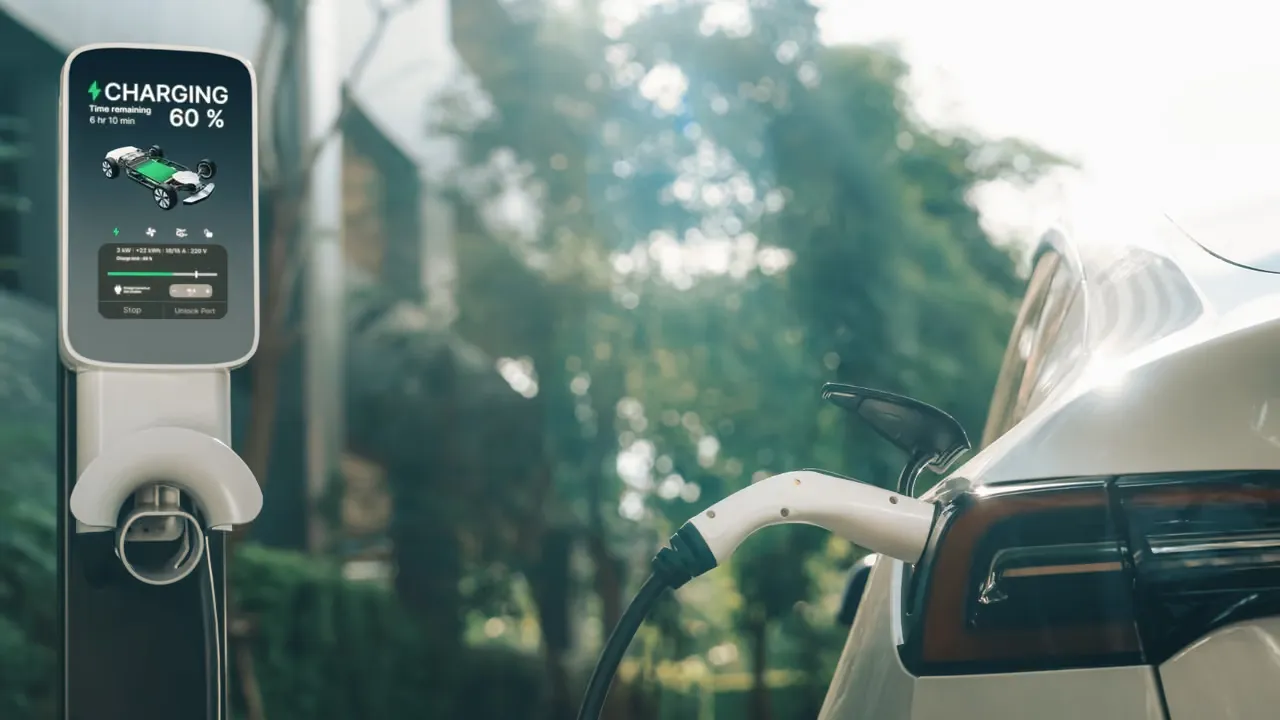
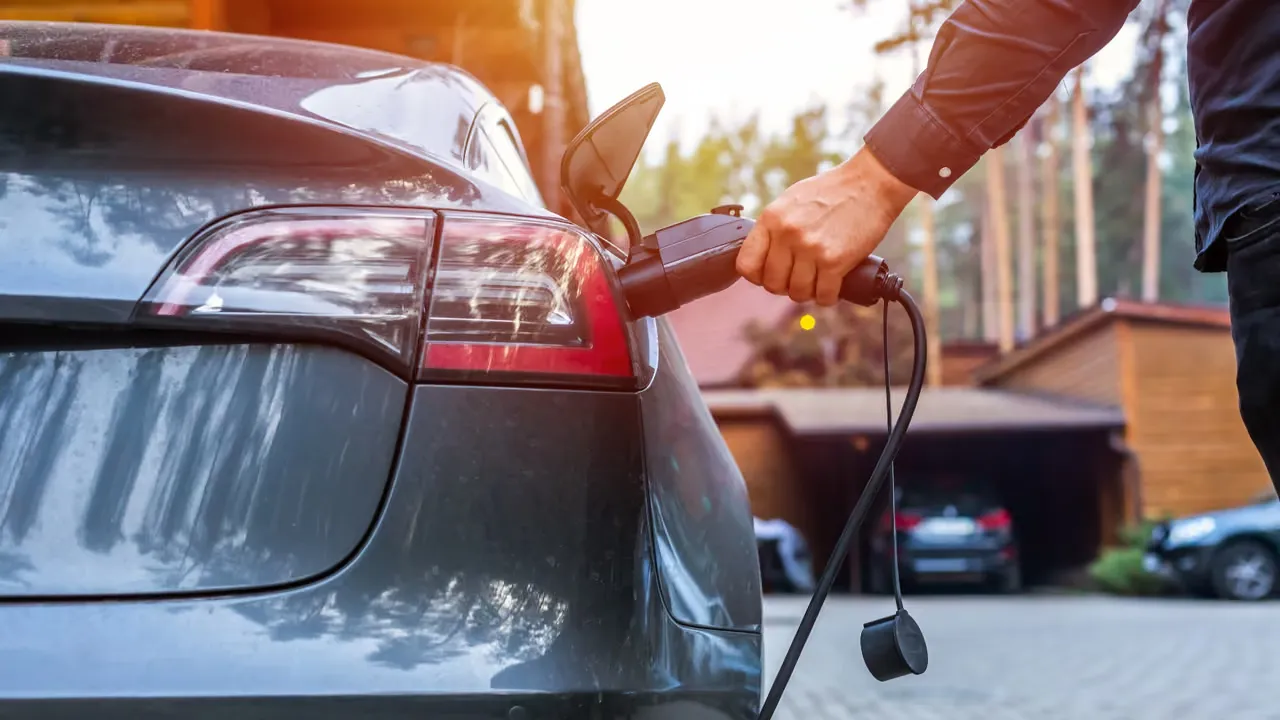
Gone are the days of waiting overnight to gain a modest charge. Modern Level 2 chargers, which typically operate at 240 volts, can replenish an EV battery in a few hours rather than the better part of a day. Portable chargers are becoming more compact and user-friendly, while wall-mounted stations are designed to blend into home environments without sacrificing power.
Moreover, manufacturers are developing chargers that communicate with vehicles and home energy systems, allowing for optimized charging schedules. This evolution means urban drivers can plug in their cars with confidence that the process is efficient, secure, and tailored to their daily routines.
Balancing charging speed with energy costs at home
Fast charging at home is undeniably convenient, but it comes with a catch: higher electricity bills. Urban drivers often face complex utility rate structures that include peak and off-peak pricing. Smart home chargers now offer solutions that help balance speed with cost-effectiveness.
- Scheduled charging: Chargers can be programmed to run during off-peak hours when electricity is cheaper, reducing the cost of a full battery recharge.
- Dynamic load management: This technology monitors the home’s overall electricity use and adjusts the EV charging power to avoid overloading circuits or incurring demand charges.
- Variable charging rates: Some systems let drivers choose between faster charging at a higher cost or slower charging that is more economical.
These capabilities mean urban EV owners no longer have to sacrifice convenience to save money. Instead, they can tailor their charging approach to their schedule and budget without stepping into the dark.
Integrating renewable energy sources into residential charging
For many urban drivers, the environmental benefits of EVs extend beyond the vehicle itself. Integrating renewable energy sources like solar panels into home charging setups is gaining traction, turning homes into mini power plants.
Solar-powered EV charging reduces dependence on the grid and cuts carbon emissions. Homeowners with rooftop solar arrays can channel excess daytime energy directly into their EVs, effectively driving on sunlight. Battery storage systems complement this by storing surplus energy for nighttime charging or grid outages.
Several companies now offer integrated solutions that combine solar, storage, and EV charging into a single package. These systems often include smart controllers that prioritize energy flow, ensuring maximum use of clean power. For urban residents with limited space, community solar programs linked to smart chargers provide an alternative path to green charging.
Future trends smart home connectivity and user customization
The next wave of home EV charging innovation lies in deeper integration with smart home ecosystems and personalized user experiences. As homes become smarter, so do their chargers.
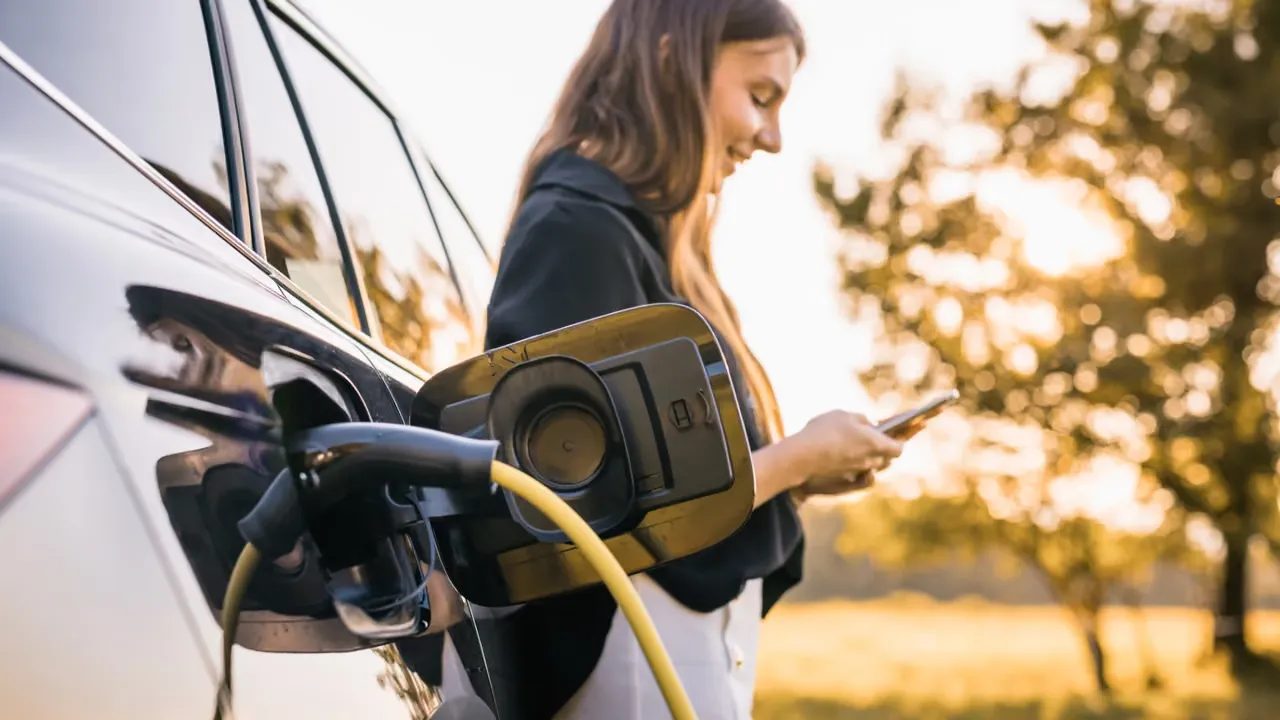
- Voice and app control: Drivers can start, stop, or schedule charging remotely using smartphones or voice assistants, making it easy to adapt charging on the fly.
- Energy usage analytics: Detailed insights into charging patterns and energy consumption help users identify savings opportunities and environmental impacts.
- Adaptive charging: Using machine learning, chargers will anticipate user habits, weather forecasts, and energy prices to optimize when and how the vehicle charges.
- Vehicle-to-grid (V2G) capabilities: Future chargers will allow EVs to feed energy back into the home or grid during peak demand, turning cars into active energy assets.
- Customization: From personalized charging profiles to integration with other smart devices like thermostats and lighting, the charging experience will be tailored to individual lifestyles and preferences.
These advancements promise to make home EV charging not just a utility, but a seamless and intelligent part of everyday urban living.