Top 5 Ways to Charge EVs Greener
It’s easy to assume that driving an electric vehicle (EV) automatically means driving green. But the environmental impact of EVs depends heavily on how and where you charge them. Different charging methods carry different carbon footprints. Understanding these details is key for anyone serious about cutting their environmental impact.
Understanding the Carbon Footprint of EV Charging
Charging an EV isn’t emissions-free, even if the car itself produces no tailpipe pollution. The electricity used has a carbon cost that changes a lot depending on the energy source. A kilowatt-hour (kWh) of electricity from coal can produce over 900 grams of CO2, while the same kWh from wind or solar is almost carbon-free.
When you plug in your car, the emissions linked to that charge can be tiny or nearly as bad as a gas-powered vehicle. It all depends on your grid’s energy mix. This makes it crucial to think about not just the car but the source of your power if you want to lower your carbon footprint.
Comparing Home Charging and Public Charging Stations
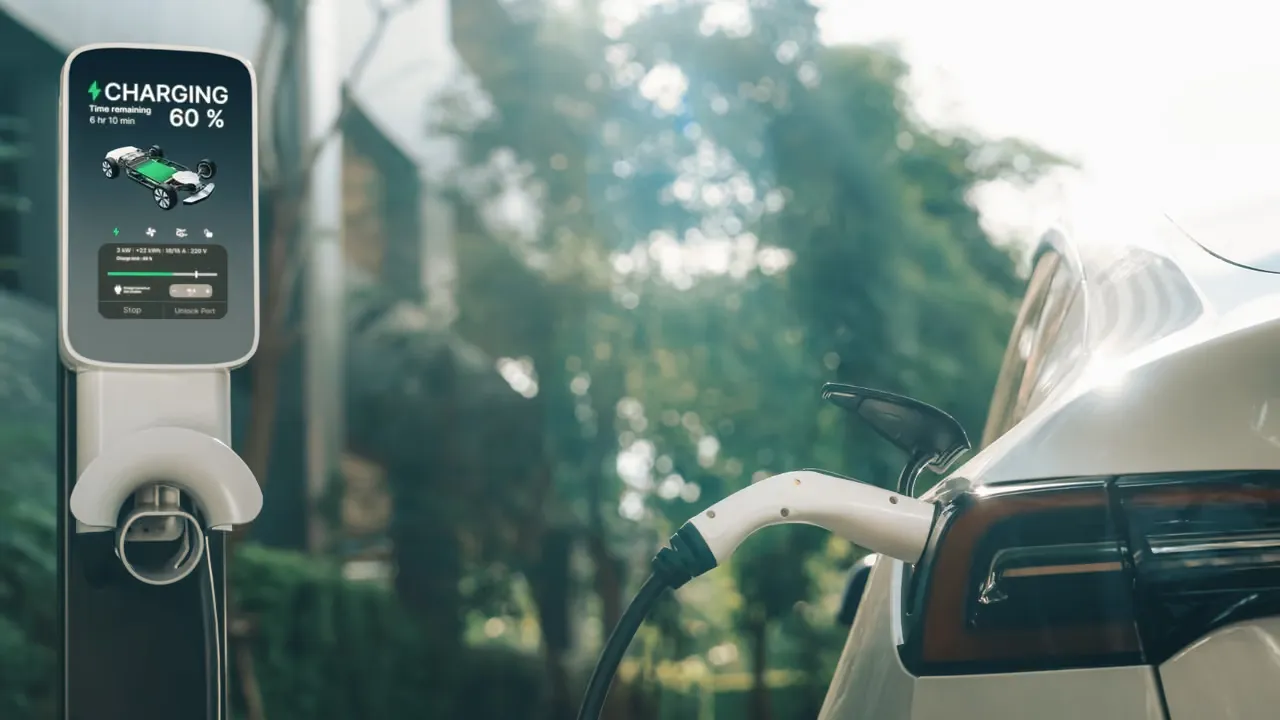
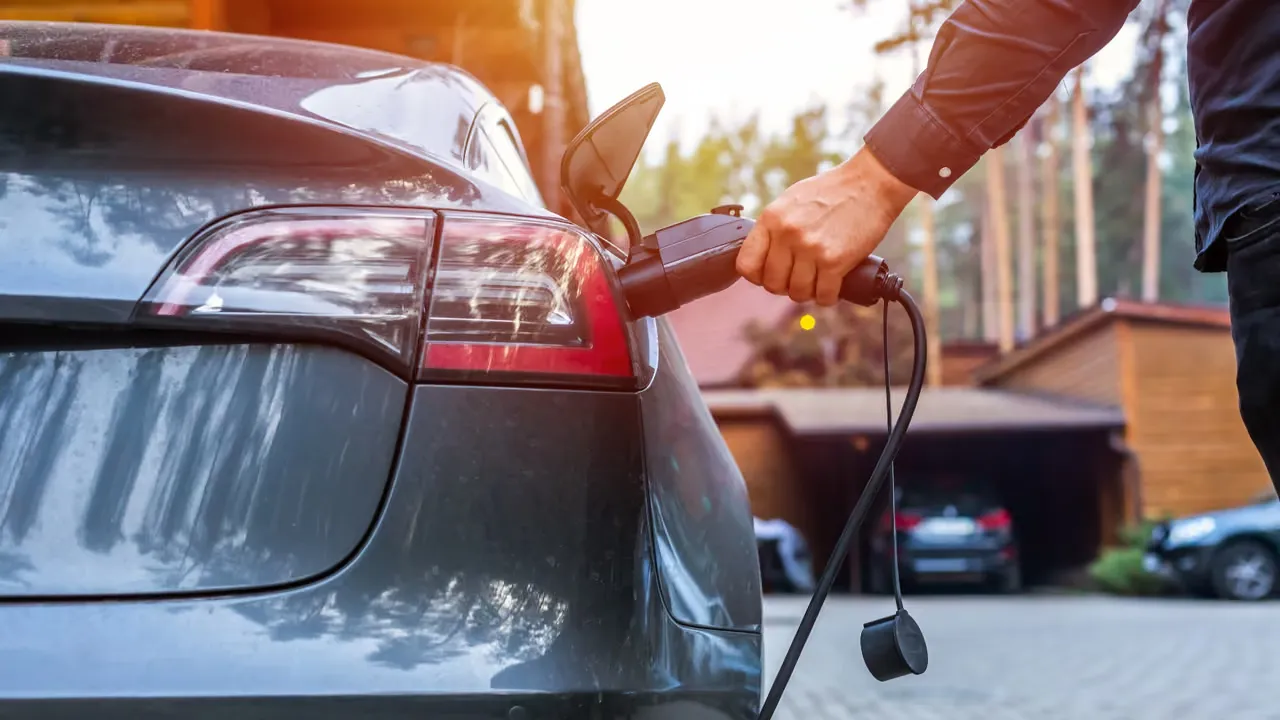
Home charging is often the default for EV owners, but it has its own environmental effects. When you charge at home, you usually rely on your local utility’s energy mix, which might include a lot of fossil fuels. Some homes with rooftop solar or access to community renewable energy programs can cut their charging emissions a lot.
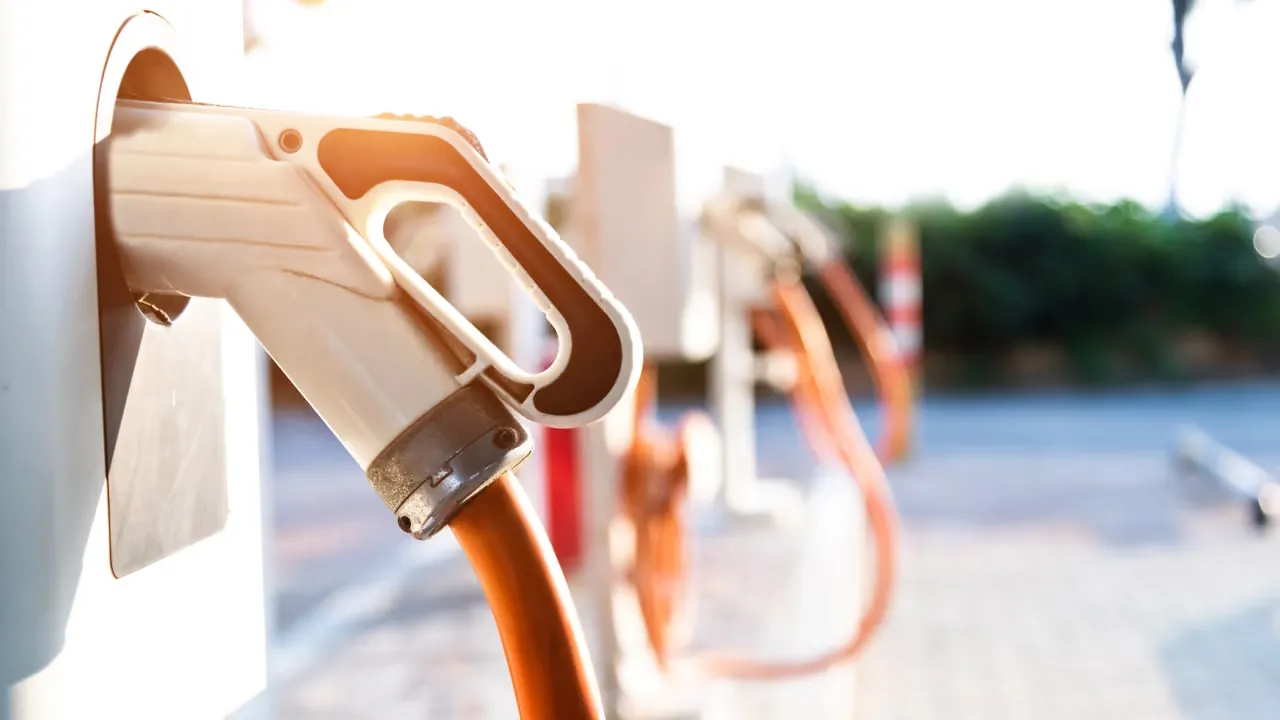
Public charging stations come in many types. Fast chargers, often found along highways, usually draw power straight from the grid and may depend on fossil fuels during peak times. Slower public chargers in cities might use greener sources, especially if the site has solar panels or renewable energy contracts.
Key Differences
- Control over energy source Home charging lets you control your energy source more if you have solar panels or green energy plans.
- Speed versus sustainability Fast public chargers are convenient but can have a higher carbon output because of grid demand spikes.
- Infrastructure varies Public stations differ widely in how green they are, depending on location and operator policies.
The Role of Renewable Energy in EV Charging
Renewable energy is the heart of sustainable EV charging. Charging your car with solar or wind power can cut your carbon footprint to almost zero. You can do this in several ways:
- Residential solar panels Installing solar panels at home and charging your EV during sunny hours is one of the simplest ways to reduce impact.
- Green energy tariffs Many utilities offer green energy plans that get electricity from renewables. Choosing these plans means your home charger runs on cleaner sources.
- Public stations powered by renewables Some charging networks promise 100% renewable energy or offset emissions with carbon credits, making public charging greener.
Beyond individual choices, expanding renewable energy on the grid is critical. The cleaner the grid gets, the greener every EV charge becomes, no matter where you are. But until grids are fully clean, when and how you charge still matters a lot.
Practical Tips to Maximize Sustainable EV Charging
If you want to make your EV charging as green as possible, here are some clear steps you can take:
- Charge during off-peak hours Many utilities have lower demand and cleaner energy at night. Charging overnight can cut the carbon intensity of your electricity.
- Invest in home solar If you can, installing solar panels lets you power your EV with your own renewable energy, lowering grid reliance.
- Choose green energy plans Check if your utility offers renewable energy tariffs and switch to them to make your home charging cleaner.
- Use public chargers with renewables Look for charging networks that focus on renewable energy or offset emissions.
- Limit fast charging While fast chargers are handy, using them often can raise your carbon footprint. Use slower charging when you can to match cleaner grid times.
- Monitor your energy source Use apps or websites that show grid carbon intensity in real time to pick the best times to charge.
Optimizing your EV charging for sustainability isn’t just about the car you drive—it’s about how you connect with the grid and energy sources. Every choice, from when you plug in to where you charge, shapes your environmental impact.