Ultra Fast EV Charging Transforms Road Trips
Pulling off a long-distance trip in an electric vehicle used to require meticulous planning and a hefty dose of patience. Charging stops were lengthy, and finding a charger wasn’t always straightforward. Now, ultra-fast public EV charging stations are changing that narrative, promising to make road trips in electric cars not just feasible, but convenient.
The Evolution of EV Charging Speeds From Level 2 to Ultra-Fast Chargers
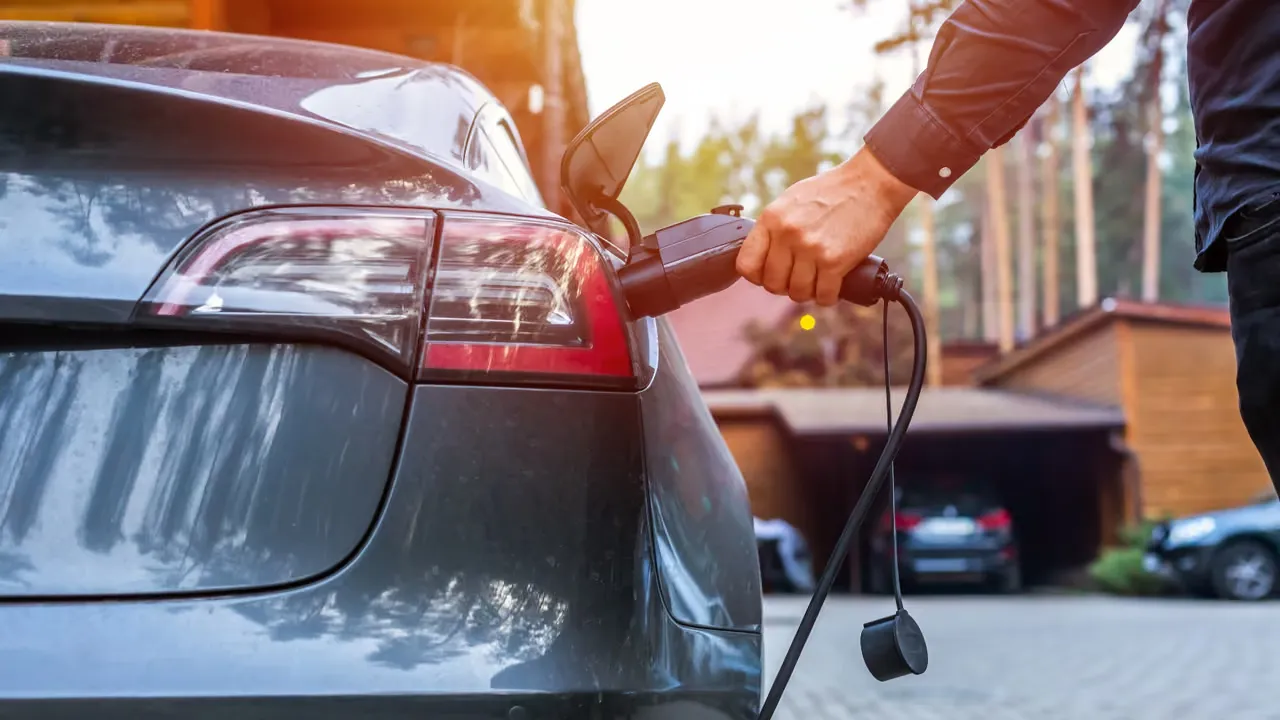
When EVs first hit the mainstream, most charging happened via Level 2 chargers. These offered a decent balance between speed and accessibility, typically adding 20 to 30 miles of range per hour of charging. Perfect for overnight home charging or workplace top-ups, Level 2 worked well for daily driving but fell short for long-distance travel.
DC fast chargers entered the scene to address this gap. Early models, often rated between 50 and 150 kW, could charge an EV to 80% in around 30 to 45 minutes. This was a game changer for highway rest stops but still meant a significant pause in travel.
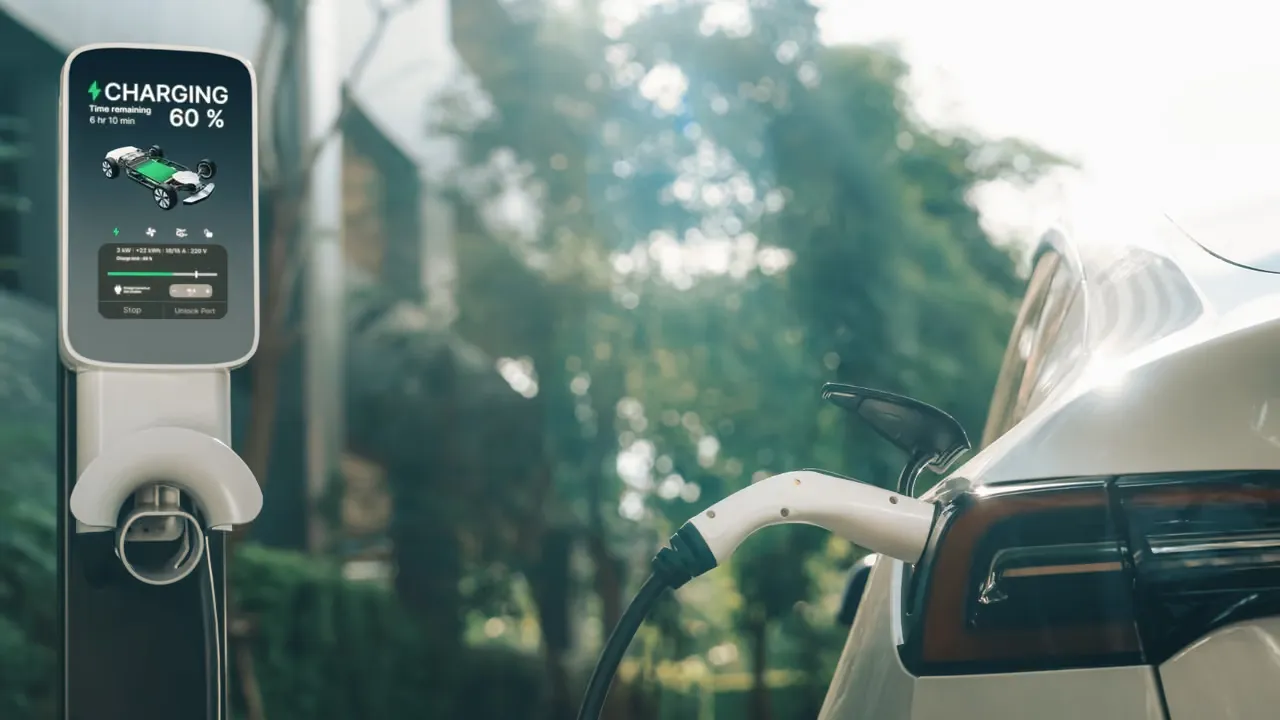
Now, ultra-fast chargers — delivering 250 kW, 350 kW, and even higher outputs — are rapidly rolling out. These stations can juice up compatible vehicles to 80% charge in as little as 15 to 20 minutes. The difference is clear: what once felt like a long break is now closer to a coffee stop.
How Ultra-Fast Chargers Are Changing Road Trip Planning
Long-distance travel in EVs is entering a new era. Ultra-fast charging is shifting the mindset from “Can I make it there?” to “How quickly can I get charged and back on the road?” This reduces range anxiety, making electric cars genuinely competitive with gas-powered vehicles for longer trips.
Planning a road trip today involves checking ultra-fast charging networks like Electrify America, Ionity, or Tesla’s Supercharger network. These high-powered stations are often strategically placed along major highways and travel corridors, allowing drivers to map routes with reliable charging stops spaced conveniently apart.
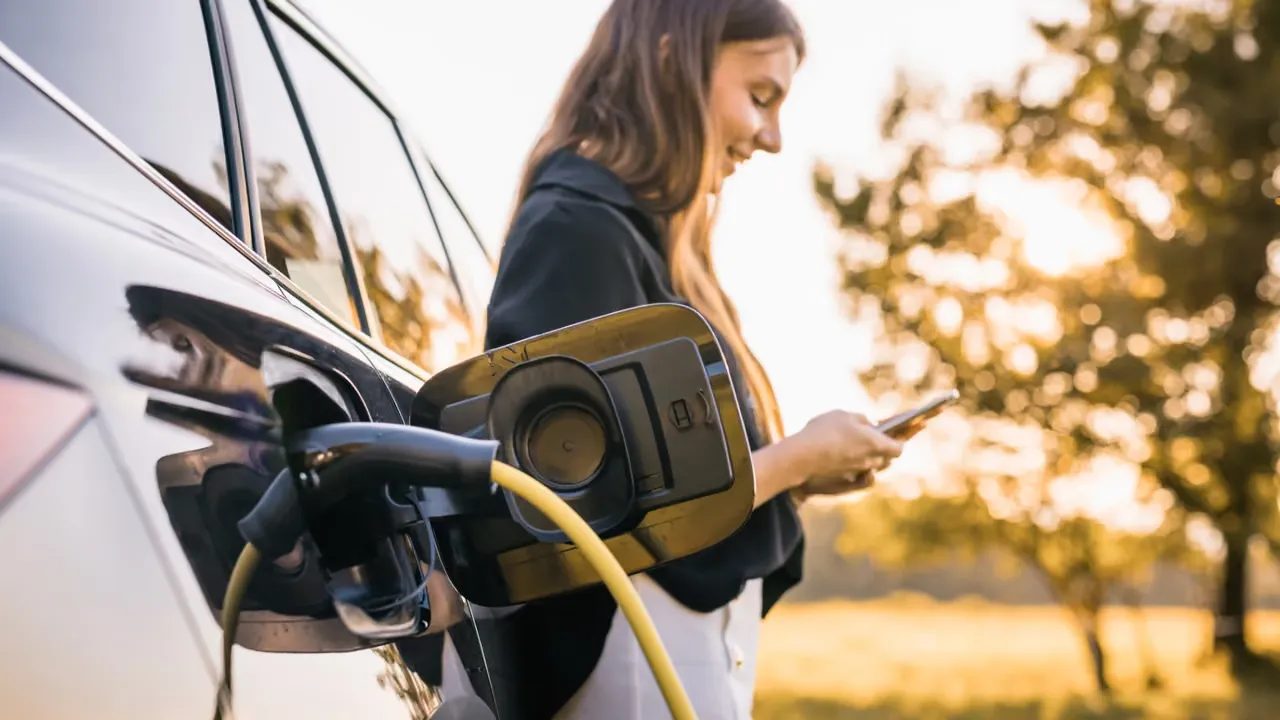
With charging times now roughly comparable to a lunch break, stops feel less like interruptions and more like natural pauses in the journey. Drivers can cover greater distances daily without the dread of extended downtime.
Challenges and Infrastructure Needs for Widespread Ultra-Fast Charging
Despite the promise, ultra-fast charging faces significant hurdles. The infrastructure demands are immense. Ultra-fast chargers require robust electrical connections, often pulling hundreds of kilowatts at once, which can strain local grids or necessitate costly upgrades.
Installing these stations is not just about the charger hardware but also about ensuring sufficient power delivery and cooling systems. The physical footprint and cost are much higher compared to lower-speed chargers, which can limit deployment, especially in rural or less trafficked areas.
Additionally, not all EVs can handle ultra-fast charging speeds yet. Battery technology and thermal management systems must keep pace to safely accept high power without degrading battery life. This means ultra-fast charging remains a feature primarily of newer and higher-end models for now.
Future Outlook Integrating Ultra-Fast Charging into Smart Grids
The rise of ultra-fast chargers also opens doors for smarter energy management. As these stations pull significant power, integrating them into smart grids becomes essential to balance loads and avoid outages, especially during peak travel times.
Energy providers and charging networks are exploring solutions like vehicle-to-grid (V2G) technology, battery storage at charging sites, and renewable energy integration. These innovations help smooth demand spikes, store excess renewable power, and reduce strain on the grid.
In the near future, ultra-fast charging stations may not only be places to recharge vehicles but also hubs of energy exchange and management, tied closely to the evolving landscape of clean energy and smart infrastructure.